
Why Is My Menstrual Cycle Getting Longer?
Medically Reviewed By Dr. Leslie scot ( HRT Specialist + LGBPT Support )
You Notice the Shift Before Anyone Else Does
For most women, periods are predictable, arriving like clockwork each month, but sometimes that rhythm begins to shift. Suddenly, your cycle stretches longer, days turning into weeks, and checking your app only leaves you wondering what has changed.
This unpredictability can feel confusing, isolating, and even stressful. Longer menstrual cycles usually happen for a reason; hormonal fluctuations, changes in ovulation, or underlying health conditions signal that your body is asking for attention.
Some causes resolve on their own, while others require medical evaluation. At Align Health and Wellness, we guide women in decoding what their cycle shifts truly mean.
Your Cycle Length Tells a Bigger Story
A menstrual cycle starts on day one of bleeding. It ends the day before your next period begins. Normal cycles run 21 to 35 days. When yours stretches past that, something disrupted ovulation timing.
Your body might skip ovulation entirely some months. That delay affects progesterone levels. It changes how the uterine lining builds and sheds. Longer cycles mean your hormones are communicating differently than before.
Hormones Run the Entire Show
Estrogen builds up the uterine wall each month. Progesterone keeps it stable after ovulation. When progesterone drops or ovulation stalls, your cycle lengthens. Your body waits longer to shed the lining. Stress hormones like cortisol interfere with this process. High cortisol blocks the brain signals that trigger ovulation. That pushes your period back by days or weeks.
Perimenopause Sneaks In Quietly
Most women think perimenopause starts with hot flashes. It actually begins with cycle changes. Your ovarian reserve drops gradually. Hormone levels bounce around month to month. Some cycles stretch longer. Others arrive early.
Bleeding becomes unpredictable. One month feels light. The next brings heavy blood flow. This phase can start in your late 30s or early 40s. Many women mistake it for temporary stress.
Stress Rewires Your Cycle Timing
Chronic stress changes how your brain talks to your ovaries. The signals get weaker. Ovulation delays or disappears. Even emotional stress affects cycle length.
Poor sleep makes it worse. Intense exercise or sudden diet shifts do the same. Your body treats these as threats. It postpones ovulation until conditions improve.
Medical Conditions That Lengthen Cycles
Polycystic ovary syndrome disrupts ovulation patterns. Your body produces more androgens. Cycles stretch past 35 days regularly. Thyroid disorders slow hormone production across your entire system. High prolactin levels interfere with ovulation signals.
Pelvic inflammatory disease causes inflammation that affects cycle timing. Adenomyosis thickens the uterine wall abnormally. Uterine fibroids change bleeding patterns and cycle length. Each condition affects your periods differently.
Birth Control Changes Everything
Oral contraceptives alter natural hormone rhythms. Progestin-only pills affect cycle length. IUDs like Mirena can extend the time between periods or stop them completely. Some women develop amenorrhea on birth control. That means no bleeding for months. This can be normal depending on your method. But any sudden change still needs evaluation.
Pregnancy Hides Behind Longer Cycles
A longer cycle sometimes masks an early pregnancy. Your period does not arrive on time. You assume your cycle lengthened. Ectopic pregnancy causes abnormal vaginal bleeding that looks like a delayed period. Any unexpected changes need a pregnancy test first.
Blood Patterns Signal Uterine Changes
Heavier bleeding suggests a hormonal imbalance. Spotting between periods points to ovulation issues or uterine lining problems. Painful periods that worsen over time need investigation. Large clots or prolonged menses indicate something has changed inside your uterus. These symptoms do not resolve on their own.
Tracking Reveals What Words Cannot
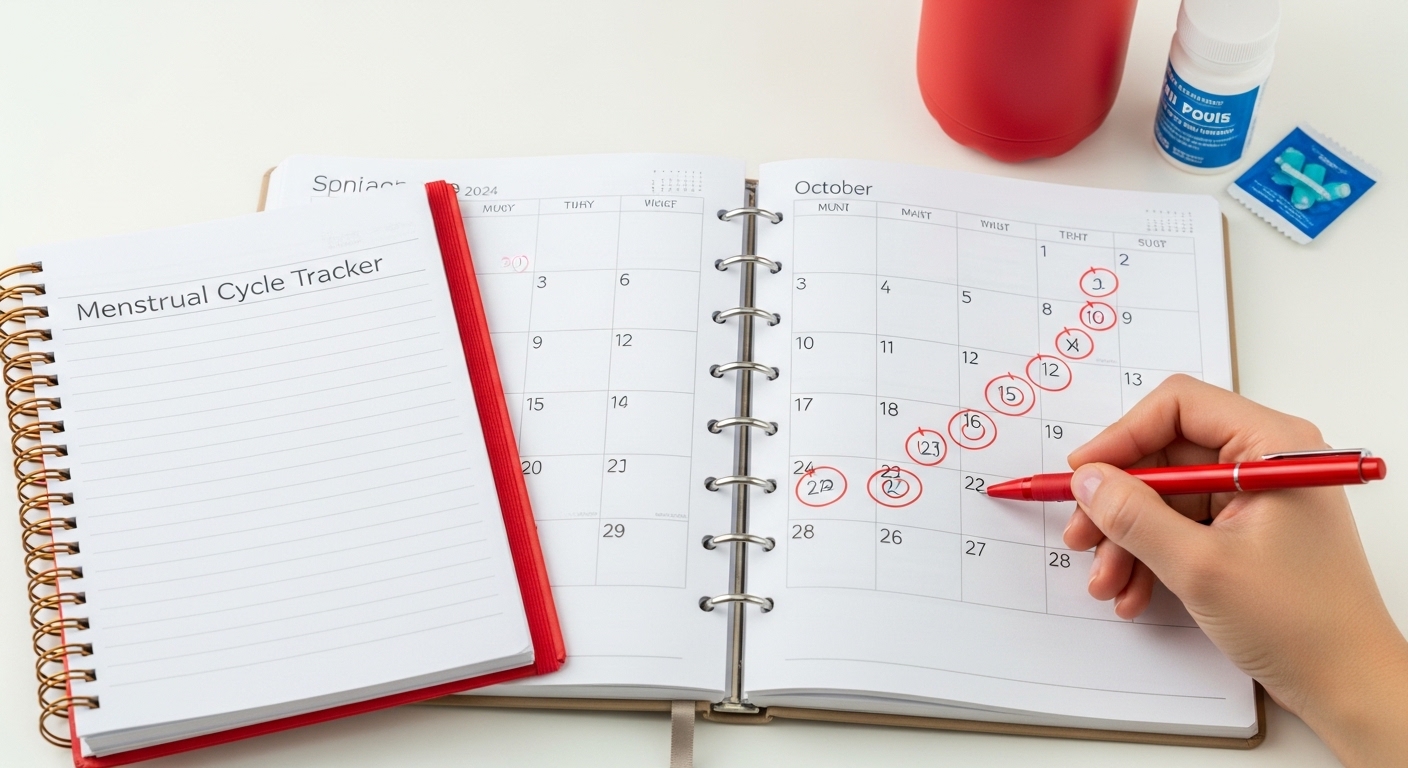
Using an app or a simple calendar shows patterns you would otherwise miss. Note the day your period starts. Track blood flow intensity. Write down symptoms like cramping or mood changes. Record pain levels. Patterns emerge over three to six months. That data guides diagnosis better than memory alone.
When You Need Medical Attention
See an ob-gyn or MD if your cycles regularly exceed 35 days. Get evaluated if bleeding becomes noticeably heavier. Seek care when pain increases or interferes with daily life. Request hormone testing if symptoms affect your fertility plans. Early evaluation catches problems before they worsen.
How Align Health and Wellness Approaches This
We evaluate hormone levels alongside ovulation patterns and stress factors. We test thyroid function and check for PCOS markers. We look at your entire health picture.
No generic answers. We personalize care based on your body, your age, and your goals. We help you understand what your cycle changes mean and what to do next.
The Real Answer Lives in Your Body
A longer menstrual cycle is not random. It reflects changes happening inside. Some are normal responses to stress or age. Others need treatment. Hormones, health conditions, and lifestyle all play roles. Paying attention early protects long-term wellness and fertility.
Tracking your cycles gives you data. Noticing symptoms gives you awareness. Seeking guidance gives you answers. Your body communicates through cycle length. The right support helps you respond wisely and confidently. Do not wait until confusion turns into concern.