

Does Menopause Cause Weight Gain?

Medically Reviewed By Dr. Leslie scot ( HRT Specialist + LGBPT Support )
The Scale Moves and Nothing Makes Sense
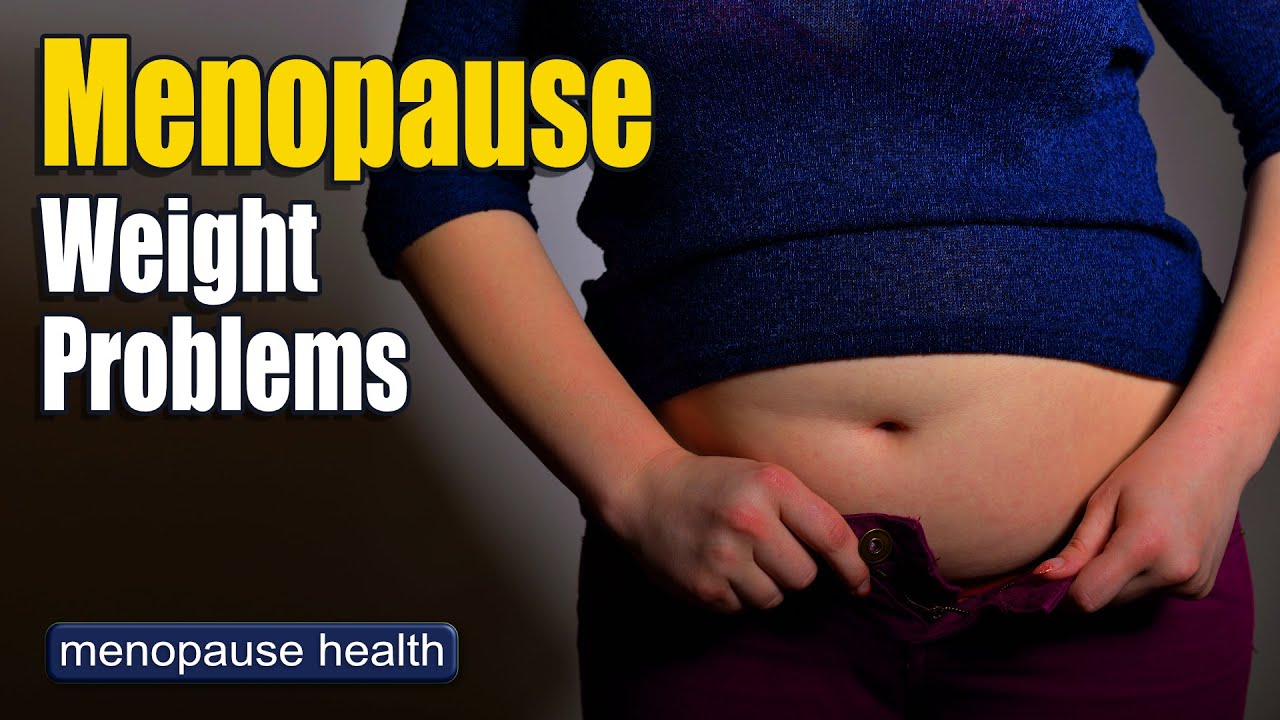
You notice that your clothes feel tighter and the scale keeps creeping up, even though your diet and activity levels haven’t changed. This sudden weight gain is common during menopause and can feel frustrating and discouraging. The changes are driven by biology, not a lack of discipline.
As estrogen and progesterone decline, your body begins storing fat differently, your metabolism naturally slows, and your energy balance shifts.
Understanding why menopause causes weight gain is key to responding strategically, supporting your hormones, and maintaining long-term health rather than fighting your body.
Estrogen Decline Redirects Fat Storage
Before menopause, estrogen helps distribute fat evenly. After menopause, fat migrates to your abdomen. Visceral fat accumulates around internal organs. This type of fat increases inflammation and health risks. Lower estrogen levels also reduce fat burning efficiency. Your body conserves energy differently. It prioritizes storage over burning.
Muscle Mass Drops Silently
Declining hormones accelerate muscle loss. Less muscle means fewer calories burned at rest. Your basal metabolic rate decreases. You need fewer calories to maintain weight than before. But appetite signals do not adjust automatically. You eat the same amount while burning less. Weight gain follows inevitably.
Insulin Sensitivity Takes a Hit
Menopause reduces how effectively your cells respond to insulin. Blood sugar stays elevated longer after meals. Your body converts more glucose to fat. Insulin resistance also triggers cravings. You feel hungrier and crave carbohydrates more intensely. This creates a cycle of eating and storing.
Sleep Disruption Fuels Weight Gain
Hot flashes wake you repeatedly at night. Poor sleep raises cortisol levels. High cortisol promotes abdominal fat storage specifically. It also increases appetite the next day. Sleep deprivation affects hunger hormones. Ghrelin rises. Leptin drops. You feel hungrier and less satisfied after eating.
Stress Compounds the Problem
Menopause often coincides with life stressors. Career demands peak. Family responsibilities increase. Aging parents need care. Chronic stress keeps cortisol elevated constantly. This hormone combination drives weight gain regardless of diet quality or exercise frequency.
Thyroid Function Changes Too
Thyroid hormone production often declines during menopause. Hypothyroidism slows metabolism further. Weight gain accelerates. Fatigue worsens. Many women have subclinical thyroid issues that go undiagnosed. Testing reveals problems that diet and exercise alone cannot fix.
Traditional Diet Advice Fails Here
Calorie restriction often backfires during menopause. Eating too little signals famine to your body. Metabolism slows further. Muscle loss accelerates. Weight loss stalls or reverses. Generic diet plans ignore hormone biology. They address symptoms instead of causes.
Exercise Alone Cannot Solve This
Cardio burns calories but does not fix hormone imbalances. Strength training helps preserve muscle mass. But exercise cannot compensate for declining estrogen and insulin resistance. Movement matters but it is only part of the solution.
Hormone Therapy Changes the Game
Bioidentical hormone replacement restores estrogen and progesterone levels. This improves insulin sensitivity. It helps maintain muscle mass. It reduces visceral fat accumulation. Hormone therapy must be personalized. Dosing and delivery methods matter significantly.
Nutrition Needs a Hormone-Focused Approach
Protein intake becomes critical for preserving muscle. Fiber helps regulate blood sugar and insulin. Healthy fats support hormone production. Timing meals around insulin sensitivity improves outcomes. This approach differs from standard calorie counting.
Stress Management Is Not Optional
Lowering cortisol levels requires intentional stress reduction. Sleep hygiene becomes essential. Relaxation practices help regulate stress hormones. These changes directly affect weight by improving hormone balance.
We Address Menopause Weight Gain Differently
At Align Health and Wellness, we assess hormone levels comprehensively. We test thyroid function and insulin sensitivity. We evaluate body composition beyond scale weight. We look at sleep quality and stress load. We create personalized plans that address root causes. Hormone balance changes outcomes. We optimize it scientifically.
Weight Gain Has Real Solutions
Menopause-related weight gain is not inevitable or irreversible. It results from specific hormonal changes. Understanding the biology points toward effective solutions. Hormone replacement therapy restores metabolic function. Targeted nutrition supports hormone production and insulin sensitivity. Strength training preserves muscle mass. Stress management lowers cortisol. These interventions work together synergistically.
Generic advice fails because it ignores hormone biology. Personalized care succeeds because it addresses root causes. Your body changed. Your approach must change too.
Weight gain during menopause signals hormonal shifts that deserve medical attention and strategic intervention.