postmenopause
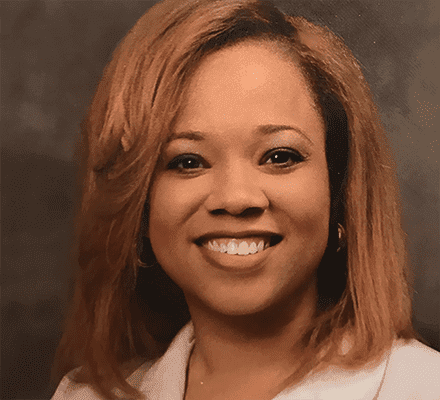
Medically Reviewed By Dr. Leslie scot ( HRT Specialist + LGBPT Support )
Postmenopause is a natural phenomenon that marks the permanent end of the menstrual cycle and lasts for the rest of her life. This phase occurs when the ovaries stop producing reproductive hormones and eggs for at least 12 months, straight.
Postmenopausal diagnosis can only be confirmed after looking back after a full year without periods.
This transition occurs in all menstruating women due to natural estrogen deficiency while marking a significant milestone in a woman’s life.
The Three Significant Stages of Menopause
1. What Is Perimenopause?
The transitional phase leading to menopause is known as perimenopause. Ovaries show natural signs of aging while producing less estrogen and lower-quality eggs.
These symptoms can appear during the 40s, and in some females, they go through perimenopause during their late 30s or early 50s. Totally depends on the individual’s body.
During this phase, hormone levels fluctuate.
As your ovarian follicles diminish in number, there is a decline in granulosa cells of the ovary, which are the leading producers of estradiol and inhibin B.
Estrogen generally trends downward, but can spike higher than normal at times before dropping very low. Every woman’s experience is unique, and no two journeys are exactly alike.
However, the common perimenopause symptoms include:
- Irregular periods (shorter, longer, or skipped cycles)
- Hot flashes and night sweats
- Mood swings and irritability
- Sleep problems
- Brain fog or difficulty concentrating
- Changes in sex drive
- Vaginal dryness
- Weight gain
During this phase, you can experience frequent menses because of a shortened follicular phase. Next, the menstrual cycle length usually increases. These disturbed period cycles cause perimenopausal abnormal uterine bleeding.
But, eventually, menses stop.
2. What Is Menopause?
Menopause is not a phase but a specific point in time. The name menopause comes from the Greek words ‘pausis’, which means pause, and ‘men’, which means month.
This phase is reached once you’ve gone 12 consecutive months without a menstrual period.
Amenorrhea lasting for twelve months marks the end of a woman’s reproductive, childbearing time.
The median age of natural menopause is early 50s in the United States, though it can occur naturally anywhere between 45 and 56 in most women.
This is a natural and permanent cessation of menses resulting from estrogen deficiency that is not associated with a pathologic process.
3. What Is Postmenopause?
Postmenopause is the stage that follows menopause and brings a new chapter in women’s lives. Once you’ve gone a full year without a period, you’re in postmenopause.
At this stage, you won’t ovulate, or your ovaries don’t release eggs. This phase lasts for the rest of a woman’s life. Overall, the hormone levels will remain low without monthly periods.
There isn’t an exact age for postmenopause. Once your period has been absent for more than one year, you’re in postmenopause regardless of age. On average, this happens around age 52.
Symptoms of Postmenopause
According to the North American Menopause Society, the common reported symptoms that arise from falling estrogen and progesterone levels are:
Common Postmenopausal Symptoms
Hot flashes and night sweats
Some people still experience hot flashes in the years after menopause. Low estrogen levels cause postmenopausal hot flashes. These vasomotor symptoms affect roughly 75%-80% of women and may get milder over time, though some women continue to experience them for years.
Vaginal dryness and pain during sex
Low levels of estrogen lead to thin, dry tissues in your vagina. Vaginal dryness can continue to cause problems to people in postmenopause several years after their final period. It may impair intimacy and quality of life, and they can be treated.
Mood changes
People during postmenopause can be moody, anxious, and depressed. The level of hormones can have a drastic impact on your mood. You might be depressed by the fact that you are no longer capable of reproduction or feel like you have lost something. Mental health disruptions may also be brought about by stress and anxiety. It should be noted that these emotions are normal and there can be help.
Sleep disturbances
Approximately, 40 to 60% of women claim of lack of sleep and inability to stay asleep. This mbe as a result of hot flashes, night sweats, or hormonal alterations that may interfere with sleep cycles. Lack of sleep impacts your overall life.
Changes in sex drive
Low libido is common due to hormonal changes, vaginal dryness, or mood changes like depression or fatigue. This can be distressing, but it doesn’t mean the end of intimacy or pleasure.
Physical changes:
- Dry skin and hair loss
- Weight changes, particularly around the abdomen
- Urinary incontinence
Does Menopause Make You Tired?
It does make women feel lethargic to the point that it becomes frustrating. Many women report feeling tired during and after menopause due to:
- Hormonal changes disrupting sleep
- Night sweats and insomnia that leave you exhausted
- Mood changes, like anxiety or depression, that drain your energy
- Sometimes, coexisting conditions like lower thyroid function or anemia
Managing fatigue involves maintaining a healthy lifestyle:
- Regular exercise
- Balanced diet rich in nutrients
- Good sleep hygiene can help
If fatigue is severe or persistent, talk with your healthcare provider to rule out other causes and explore treatment options.
Can Menopause Cause Nausea?
Nausea is not a core symptom of menopause, but some women experience it due to:
- Fluctuating estrogen levels affect your digestive system
- Hot flashes and autonomic instability
- Hormone therapy as a side effect
Can Menopause Cause High Blood Pressure?
Yes. Menopause contributes to high blood pressure. This is an important concern for your cardiovascular health. Estrogen decline reduces vascular flexibility and increases the risk of hypertension.
Weight gain and insulin resistance can also worsen blood pressure. Studies show a higher prevalence of hypertension in postmenopausal women compared to premenopausal women, even after adjusting for age.
This is why monitoring your blood pressure and maintaining heart-healthy habits becomes increasingly important during this stage of life.
Do You Lose Your Labia Minora During Menopause?
You don’t literally lose your labia minora, but tissue atrophy may occur, which can be concerning. Estrogen loss causes labial thinning, shrinkage, and loss of elasticity, especially of the labia minora. This is part of genitourinary syndrome of menopause (GSM).
If these changes bother you or cause discomfort, know that you’re not alone and talk with your healthcare provider about treatment options.
Health Complications in Postmenopause
People in postmenopause have a higher risk of certain health conditions due to long-term estrogen deficiency, such as:
1. Osteoporosis
In osteoporosis, bones become weak and brittle, making them more prone to fractures. Due to decreased levels of estrogen, you lose bone density more rapidly after menopause.
You can lose 25% of your bone density or more after menopause, approximately 1% to 2% every year. Women can lose up to 20% of bone mass within 5–7 years after menopause.
How to prevent it:
- Eat foods high in calcium, like cheese, yogurt, spinach, or fortified cereals
- Take calcium and vitamin D supplements as recommended by your doctor
- Do weight-bearing exercises like walking, jogging, or lifting weights
- Get bone mineral density testing to monitor your bone health
- Consider medications like bisphosphonates if recommended by your provider
2. Cardiovascular Disease
Before menopause, your body’s own estrogen helps protect against cardiovascular diseases like heart attack, heart disease, and stroke. Estrogen decline leads to less vasodilation, higher LDL, lower HDL, and changes in blood vessel function.
It’s also common for people in postmenopause to become more sedentary, which contributes to high cholesterol and high blood pressure.
How to prevent it:
- Eat healthy and nutritious foods (fruits, vegetables, lean meats, whole grains)
- Get regular physical activity that you enjoy
- Avoid tobacco products
- Manage chronic conditions like high cholesterol, diabetes, and high blood pressure
- Limit salt, sugar, and alcohol consumption
- Maintain a healthy weight
3. Genitourinary Syndrome of Menopause (GSM)
GSM (formerly called vaginal atrophy) refers to changes in the vaginal and urinary tissues caused by decreased estrogen. This condition can significantly impact your daily comfort and intimate relationships.
Symptoms include:
- Vaginal dryness
- Pain or discomfort during sex
- Itching or irritation
- Recurrent urinary tract infections
- Urinary urgency or frequency
- Urinary incontinence
Treatment options:
- Vaginal moisturizers and lubricants
- Local (topical) estrogen creams or tablets
- Pelvic floor therapy
- Laser therapy for vaginal tissues
- Staying sexually active (helps maintain tissue health)
4. Hot Flashes and Night Sweats
Sudden heat sensations, sweating, and flushing can disrupt sleep and daily activities. These episodes can be embarrassing sometimes and uncomfortable, too. These episodes are embarrassing at times and uncomfortable, too. The effect of fluctuating estrogen affects hypothalamic thermoregulation, the part that regulates body temperature.
Vasomotor symptoms are common in early postmenopause in over 75% of women. These symptoms may last for years, affecting the quality of sleep and daily comfort.
Treatment options:
- Hormone therapy (most effective)
- Antidepressants (SSRIs or SNRIs)
- Gabapentin or fezolinetant (Veozah)
- Lifestyle changes like dressing in layers, using fans, and avoiding triggers
- Stress management and relaxation techniques
5. Mood Changes and Depression
Hormonal shifts affect brain chemicals like serotonin and norepinephrine that regulate mood. Stress, poor sleep, and life changes also contribute. Perimenopause and early postmenopause are high-risk phases for major depressive episodes, especially in women with a history of mood disorders.
What you might feel:
- Irritability that seems to come out of nowhere
- Anxiety about the future
- Depression or a sense of loss
- Emotional ups and downs that feel overwhelming
What can be a help:
- Therapy or counseling to process your emotions
- Antidepressants if needed
- Hormone therapy (helps mood in some women)
- Regular exercise, which boosts mood naturally
- Staying socially connected with friends and loved ones
- Stress management techniques
6. Sleep Disturbances
Hot flashes, night sweats, and hormonal imbalance disrupt sleep cycles, eventually making a woman cranky. About 40% to 60% of postmenopausal women report sleep problems. When you can’t sleep, everything else in life becomes more challenging.
What helps:
- Manage hot flashes and night sweats
- Practice good sleep hygiene (cool room, regular bedtime, limit screens)
- Consider melatonin supplements
- Try cognitive behavioral therapy for insomnia (CBT-I)
- Limit caffeine and alcohol, especially in the evening
7. Weight Gain and Metabolic Changes
Lower estrogen alters fat distribution, causing more abdominal fat. Your metabolism slows down, and you may lose muscle mass.
This increases your risk of metabolic syndrome, insulin resistance, and type 2 diabetes. Many women find this weight gain frustrating.
What helps:
- Eat a balanced diet focused on whole foods
- Get regular exercise, including strength training, to maintain muscle mass
- Watch portion sizes without being overly restrictive
- Limit processed foods and added sugars
- Stay active throughout the day
8. Skin and Hair Changes
Estrogen supports collagen production and hair follicle function. Its loss reduces skin elasticity and hydration. These visible changes can affect how you feel about yourself.
Some visible changes that you might notice:
- Dry, thin skin
- Wrinkles and fine lines
- Slower wound healing
- Hair thinning or loss
How to prevent it:
- Use moisturizers daily
- Protect skin from sun damage with SPF
- Stay hydrated by drinking plenty of water
- Consider topical treatments recommended by your dermatologist
- Eat foods rich in healthy fats and antioxidants
9. Urinary Incontinence
Estrogen decline weakens pelvic tissues and urethral support. Decreased estrogen also impacts your urinary tract and bladder. This can be embarrassing and may cause you to limit activities you enjoy.
Types:
- Stress incontinence (leaking when coughing, sneezing, or exercising)
- Urge incontinence (sudden, strong urge to urinate)
How to cure it:
- Pelvic floor exercises (Kegels)
- Topical estrogen
- Bladder training
- Maintaining a healthy weight
- Surgical options if severe
Diagnosis and Testing
How Do You Know You’re in Postmenopause?
Your healthcare provider can tell you if you’re in postmenopause based on your symptoms and how long it’s been since your last menstrual period. Remember, you’re not considered to be through menopause until it’s been over one year since you’ve had a period.
Can a Woman Go Through Menopause in 8 Months?
No. By definition, menopause requires 12 consecutive months without a period.
If your period returns before the 12-month mark, the count starts over. Some women may experience irregular periods that make it seem like menopause is happening quickly, but the official diagnosis requires a full year.
Is There a Test for Postmenopause?
In some cases, your healthcare provider may take a blood sample and check your hormone levels to confirm you’ve gone through menopause. However, hormones keep fluctuating throughout this transitional period.
Blood tests measure:
- High (follicle-stimulating hormone) FSH level indicates menopause
- Low Estradiol (estrogen)levels suggest menopause
Postmenopausal diagnosis can only be made based on the history of our last period.
Other Important Screenings
Since you’re at increased risk for certain conditions, your provider may recommend:
- Bone mineral density testing (bone densitometry) to check for osteoporosis
- Cholesterol and blood pressure checks
- Blood sugar testing for diabetes
- Regular mammograms
- Pap tests and pelvic exams
These screenings are important for catching potential problems early when they’re most treatable.
Managing Postmenopause via Hormone Therapy (HT)
Hormone therapy is the most effective treatment for postmenopausal symptoms. That significantly improves the quality of life.
Many doctors typically recommend HT within a decade of menopause or for people under age 60.
There are possible health risks associated with hormone therapy, like blood clots, breast cancer, or stroke.
These risks depend on dosage and your personal risk factors. Your healthcare provider can help you weigh the benefits and risks for your individual situation.
Other medications:
- Antidepressants for mood swings, depression, or hot flashes
- Vaginal creams for pain related to sexual intercourse and vaginal dryness
- Gabapentin or fezolinetant (Veozah) to relieve hot flashes
- Oxybutynin for treatment of hot flashes
Effective Ways That Make a Difference
- Use vaginal lubricants either water-based or silicone-based while having sex. They are non-irritating and compatible with most condoms. It makes sex more pleasurable and comfortable. Avoid oil-based products like petroleum jelly or baby oil, as they can cause irritation or infections.
- Doing regular exercise, such as yoga or lifting weights, can strengthen your bones and muscles.
- Try to eat healthy food, such as fruits, vegetables, lean meats, and whole grains. Avoid lots of salt or sugar and limit your consumption of alcohol. Focus on calcium-rich and omega-3 foods.
- Maintain your body weight to reduce your risk for cardiovascular diseases, diabetes, and other health conditions.
- Participate in social activities. Keep yourself busy, join clubs, volunteer, or go out with friends. It will help you to regulate your emotions.
- Meditate. It will help you to cure your depression and other side effects of postmenopause.
- Be easy on yourself during this transitional phase. Also, don’t forget to get proper sleep to avoid being cranky.
Can a Woman Get Pregnant After Menopause?
This is the most common question that many women ask, but the answer is no.
Once your menstrual period has been absent for over a year, you’re not likely to get pregnant naturally as your ovaries have stopped releasing eggs.
However, continue taking birth control pills if you don’t want to become pregnant, until your healthcare provider confirms you’re no longer ovulating.
What About Assisted Reproduction?
Natural pregnancy is not possible after menopause. However, assisted reproductive technologies may still be an option for some women:
- Women in postmenopause can potentially carry a pregnancy using eggs donated by a younger woman. The process is known as in vitro fertilization.
- Previously frozen eggs can be used when you were younger; these can be used for IVF even after menopause.
Disclaimer: The health risks are higher for both mother and baby when pregnancy occurs in postmenopause. Risks include high blood pressure, gestational diabetes, preterm birth, and other complications.
This is a deeply personal decision that requires thorough discussion with a fertility specialist and your healthcare provider.
The Egg Freezing Concept and Menopause?
Many women wonder if egg freezing can help them delay menopause or conceive later in life.
Here’s what you need to know before freezing eggs.
Does Egg Freezing Delay Menopause?
No, egg freezing does not delay menopause. The egg retrieval process removes antral follicles that were already recruited for that cycle. Most fertility clinics and research confirm that egg retrieval does not cause earlier menopause nor delay it.
What Is the Right Age to Freeze Eggs?
Many fertility specialists recommend freezing eggs around age 35 or earlier. The quality and quantity of eggs decline with age. Freezing eggs when younger gives you the best chance of success if you decide to use them later in the future.
Can Egg Freezing Help You Conceive During Menopause?
Yes, if you froze your eggs when you were younger and more fertile, those eggs can be used for IVF even after you’ve reached menopause. The frozen eggs preserve your fertility potential from the age at which they were frozen. This can be smart if women want to delay childbearing.
Living Well in Postmenopause
When Should You See Your Healthcare Provider?
If any of your postmenopause symptoms bother you or prevent you from living your daily life, contact your healthcare provider to discuss possible treatment. Don’t just silently suffer.
Questions to ask:
- Are these symptoms normal for people in postmenopause?
- Is there treatment for my symptoms?
- Is hormone therapy an option for me?
- What can I do to feel better?
Disclaimer: If you experience any vaginal bleeding during postmenopause, contact your healthcare provider immediately.
Vaginal bleeding is not a normal side effect of decreasing hormone levels. In some cases, the dryness in your vagina could cause some light bleeding or spotting after sex.
In other cases, it could indicate a condition like endometrial hyperplasia, uterine fibroids, endometritis, or cancer.
Do You Still Need Gynecological Care?
Don’t miss out on your gynae appointments. Just because you’re no longer getting your period doesn’t mean your gynecological care ends.
This may include:
- Pap tests and pelvic exams
- Mammograms
- Bone density screenings
- Annual wellness appointments
Does Your Body Go Back to Normal After Menopause?
Your body won’t go back to the way it was before menopause. But uncomfortable symptoms like hot flashes, sweating, and mood swings can get milder or go away completely.
Some women continue to have symptoms for years. Talk to your healthcare provider to feel better and healthy again.
What Supplements Are Good for Postmenopause?
One of the most important nutrients you need after menopause is calcium.
Calcium is essential to your bone health and is especially important in postmenopause because a decrease in estrogen increases your risk of osteoporosis.
Vitamin D is also important because it helps your body absorb calcium.
But it’s always best to talk to your healthcare provider, as they can suggest by checking your period history and overall health.
Align Health & Wellness
We understand that menopause marks a major transition in every woman’s life. Both physically and emotionally. It’s completely normal to experience a mix of emotions during this time.
Before considering any intervention during your postmenopause, it’s important to consult with a reproductive endocrinologist to get hormone replacement therapy (HRT) for managing symptoms and supporting long-term health.
We encourage all women and members of the LGBTQ+ community to talk openly about their experiences so that they can receive personalized guidance based on their age, ovarian reserve, and overall wellness goals.